
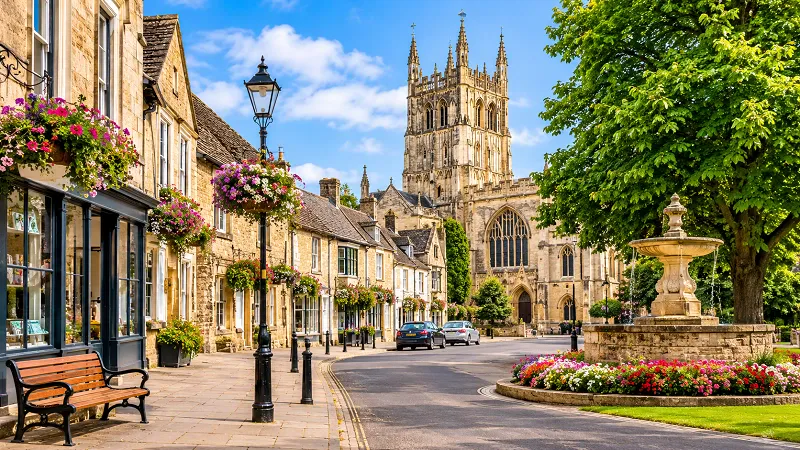
Choosing where to live is an important decision, whether you are buying your first home, relocating with your family or looking for a rental property in a new area. Cirencester, a historic market town in Gloucestershire, is an appealing option for people who enjoy a combination of countryside surroundings, traditional architecture and convenient town-centre amenities.
Often described as the capital of the Cotswolds, Cirencester offers a distinctive lifestyle with independent shops, historic attractions, green spaces and access to picturesque villages. However, like any location, it has advantages and considerations worth understanding before making a move.
So, is Cirencester a nice place to live? The answer depends on your lifestyle, budget and priorities. This guide explores the town’s residential appeal, popular neighbourhoods, schools, transport connections and property market to help you decide whether Cirencester could be the right place for your next home.
1. What Makes Cirencester an Attractive Place to Live?
Cirencester has a rich history dating back to Roman times, and its historic character remains an important part of its identity. The town features traditional stone buildings, historic streets and architectural landmarks, creating a distinctive atmosphere.
Its town centre offers a variety of independent retailers, cafés, restaurants, pubs and everyday shopping facilities. The Market Place is a central meeting point, while the town’s cultural attractions provide opportunities to explore its heritage.
One of Cirencester’s biggest attractions is its location within the Cotswolds. Residents can enjoy access to countryside walks, scenic villages and outdoor activities without being too far from everyday amenities.
The town also offers a range of leisure opportunities, from parks and sports facilities to cultural events and community activities. This combination of heritage, convenience and countryside access makes it worth considering for people with different lifestyles.
2. What Are the Best Areas to Live in and Around Cirencester?
Finding the right neighbourhood is just as important as choosing the property itself. Cirencester and its surrounding villages offer different residential environments, depending on whether you prefer town-centre convenience or a quieter countryside setting.
Cirencester Town Centre
Living in the town centre provides convenient access to shops, restaurants, cafés and local services. It may appeal to professionals, couples and individuals who prefer having everyday amenities within walking distance.
Properties include traditional townhouses, period homes and apartments, although parking and outdoor space may be more limited for some properties.
Stratton
Stratton is a residential area to the north of Cirencester. It offers a mixture of property styles and access to local amenities, making it worth exploring for buyers and tenants looking for a residential setting close to the town.
Chesterton
Situated towards the south of Cirencester, Chesterton offers a mix of established residential streets and more modern housing developments. Its location provides access to the town centre while offering a different residential atmosphere.
Siddington
For those interested in village living, Siddington is located just outside Cirencester. It offers a quieter setting with countryside surroundings while remaining within reach of the town’s facilities.
Before choosing an area, consider visiting at different times of the day to understand local traffic, parking, noise levels and access to amenities.
3. Schools, Education and Family Facilities
For families considering a move, access to schools and educational facilities can be an important factor when choosing a property.
Cirencester has a selection of primary and secondary schools, alongside further education opportunities. Notable educational establishments include Cirencester Deer Park School, Cirencester Kingshill School and Cirencester College. The town is also home to the Royal Agricultural University, which attracts students from across the UK and overseas.
When researching schools, it is worth checking admission arrangements, catchment areas, Ofsted reports and availability directly with the relevant institutions.
Families should also consider access to healthcare, childcare, supermarkets, pharmacies and recreational facilities. Having these everyday amenities within convenient travelling distance can make a significant difference to daily life.
4. Transport Links and Commuting from Cirencester
Cirencester offers road connections to several nearby towns and cities, making it a potential base for people who commute for work or travel regularly.
The A417 and A429 provide connections to surrounding areas, while the M4 and M5 motorway networks can be accessed for longer journeys.
One important consideration is that Cirencester does not have its own railway station. The nearest station is at Kemble, approximately four to seven miles away, providing rail connections towards Swindon, Gloucester and London Paddington. Local bus services connect Cirencester with Kemble, although journey times and timetables should be checked before relying on them for daily commuting.
Cirencester Town Council+1
For people who regularly travel to work, it is worth considering whether driving, cycling or using public transport will be the most practical option.
If you work remotely, Cirencester may offer an attractive alternative to larger cities, particularly if you prefer a quieter residential environment. However, checking broadband availability and mobile coverage at an individual property is advisable.
5. Things to Do and Lifestyle in Cirencester
Cirencester offers a variety of activities for residents who enjoy history, shopping, outdoor recreation and local events.
Some popular attractions and amenities include:
- Corinium Museum: An opportunity to explore the town’s Roman history and archaeological heritage.
- Cirencester Park: Historic parkland offering opportunities for walking and enjoying the outdoors.
- Abbey Grounds: A green space close to the town centre, suitable for walks and spending time outdoors.
- New Brewery Arts: A creative venue featuring exhibitions, craft workshops, galleries and events.
- Market Place: A central shopping and social destination with regular markets, independent businesses and places to eat.
The surrounding Cotswolds also provide opportunities for countryside walks, cycling and exploring nearby villages. The Cotswold Lakes, located a short distance from the town, offer additional outdoor activities, including watersports and lakeside recreation.
Cirencester Town Council+1
For residents who enjoy a combination of town-centre amenities and outdoor activities, these attractions can contribute positively to everyday life.
6. What Is the Property Market Like in Cirencester?
Cirencester offers a varied selection of residential properties, catering to different budgets, household sizes and lifestyle requirements.
Some of the property types available include:
- Period properties: Traditional Cotswold stone houses, Victorian homes and characterful townhouses.
- Modern apartments: Suitable for first-time buyers, professionals and individuals looking for convenient town-centre living.
- Family houses: Detached, semi-detached and terraced properties offering different amounts of living space.
- Rental properties: Flats and houses available for tenants with different requirements.
Property values and rental prices can vary depending on the location, property condition, size and available facilities. Homes within the town centre or in particularly desirable residential locations may attract different levels of demand compared with properties further away.
If you are planning to buy, compare similar properties and consider additional expenses such as mortgage payments, surveys, legal fees and ongoing maintenance.
For tenants, it is important to understand the monthly rent, deposit requirements, tenancy arrangements and whether household bills are included.
Homeowners considering selling should also seek an up-to-date valuation to understand how their property compares with similar homes currently available in the local market.
7. What Are the Advantages and Disadvantages of Living in Cirencester?
Before deciding whether Cirencester is the right place to live, it is worth considering both its advantages and potential drawbacks.
Advantages of living in Cirencester
- Attractive surroundings: Its location in the Cotswolds provides access to beautiful countryside and outdoor activities.
- Historic character: Traditional architecture, historic landmarks and Roman heritage give the town a distinctive identity.
- Local amenities: A good selection of independent shops, restaurants, cafés and essential services.
- Education: A range of schools and further education facilities are available in and around the town.
- Community atmosphere: Its market-town character and local events offer opportunities to become involved in the community.
Things to consider before moving
- Property affordability: Properties in Cirencester and the wider Cotswolds can be relatively expensive compared with some neighbouring towns.
- Limited rail access: Residents need to travel to Kemble to access the railway network.
- Car dependency: Depending on where you live and work, having access to a car may be useful for commuting and everyday travel.
- Tourism and seasonal activity: Popular attractions can bring additional visitors, particularly during weekends and holiday periods.
Ultimately, whether these factors are advantages or disadvantages will depend on your personal circumstances and expectations.
Conclusion: Is Cirencester the Right Place for Your Next Home?
So, is Cirencester a nice place to live? For people who appreciate historic surroundings, a traditional market-town atmosphere and access to the Cotswolds, it offers plenty of appealing qualities. Its combination of local amenities, educational facilities, green spaces and varied housing options makes it worth considering for families, professionals, retirees and individuals looking to relocate.
However, it is important to consider practical factors such as property affordability, commuting arrangements and access to everyday facilities before making a decision.
Whether you are looking to buy your first property, sell your existing home or find somewhere to rent, researching different neighbourhoods and comparing available properties can help you make a confident choice.
Taking the time to explore Cirencester, understand its property market and identify what matters most to your lifestyle will help you decide whether this historic Cotswold town is the right place to call home.