
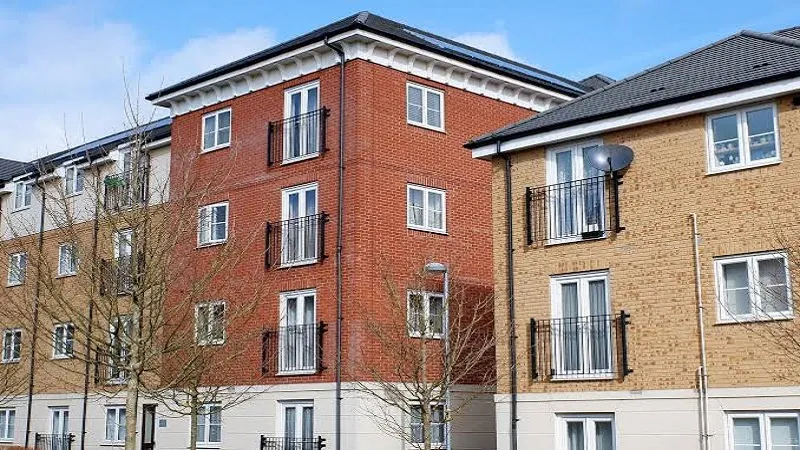
When you own or live in a flat, looking after the property involves more than maintaining the inside of your home. Shared areas such as hallways, staircases, lifts, gardens, car parks and building exteriors also need regular attention. Someone must organise repairs, arrange insurance, manage finances and ensure the building remains safe and well maintained. This is where block management comes in.
Block management plays an important role in maintaining residential buildings, particularly those containing multiple leasehold flats. Whether you are a homeowner, landlord, prospective buyer or tenant, understanding how it works can help you make informed property decisions.
In this guide, we explore what block management involves, the responsibilities of a managing agent and some common myths surrounding the management of residential buildings.
Myth 1: Block Management Only Involves Cleaning and Maintaining Communal Areas
Fact: Block management covers several financial, administrative and property management responsibilities.
Block management refers to the professional management and maintenance of shared areas and facilities within residential buildings, particularly blocks of flats.
Although cleaning communal spaces and maintaining gardens are important tasks, the responsibilities extend much further.
Typical block management services include:
Repairs and maintenance: Arranging repairs to roofs, external walls, lifts, staircases and communal facilities.
Cleaning and gardening: Ensuring shared spaces, entrances and outdoor areas remain presentable.
Financial management: Preparing budgets, collecting service charges and maintaining financial records.
Buildings insurance: Arranging suitable insurance cover for the building.
Health and safety: Organising relevant inspections, fire safety arrangements and maintenance checks.
Contractor management: Appointing and supervising contractors responsible for repairs and maintenance.
Resident communication: Handling enquiries, complaints and requests from leaseholders and other residents.
The precise responsibilities depend on the building’s lease arrangements and the management agreement.
Myth 2: The Managing Agent Owns the Building
Fact: A block management company normally manages the building on behalf of its owner or the responsible management company.
A common misconception is that the company responsible for managing a residential block also owns the property.
In reality, several different parties may be involved.
The freeholder: The freeholder owns the building and the land on which it stands. They usually have overall responsibility for ensuring the building is managed in accordance with the leases.
Residents’ Management Company (RMC): This is a company established to manage the building on behalf of leaseholders, with responsibilities determined by the leases and company arrangements.
Right to Manage (RTM) company: Eligible leaseholders can establish an RTM company to take over the management responsibilities from the freeholder without having to purchase the freehold.
Managing agent: A professional block management company appointed by the freeholder, RMC or RTM company to handle day-to-day management activities.
Understanding these different roles is important because the managing agent acts on behalf of the organisation or individual that appoints them.
Myth 3: Service Charges Are Just Additional Fees With No Clear Purpose
Fact: Service charges help cover the costs of maintaining and managing shared areas and facilities.
Service charges are payments made by leaseholders towards the running and maintenance of their residential building.
The amount each leaseholder pays is generally determined by the terms of their lease.
Depending on the property, service charges may cover:
- Communal cleaning and maintenance.
- Lift servicing and repairs.
- Gardening and landscaping.
- Buildings insurance.
- Communal electricity and lighting.
- Repairs to roofs and external structures.
- Managing agent fees.
- Contributions towards future major works through a reserve fund.
A reserve fund, sometimes called a sinking fund, helps build up money for significant future expenses, such as replacing a roof or refurbishing communal areas.
Importantly, service charges should reflect reasonable costs for services provided, and the lease must allow the relevant expenses to be recovered.
Leaseholders also have rights to request information about service charge costs and challenge charges they believe are unreasonable.
Myth 4: Block Management Is Only Important for Landlords and Freeholders
Fact: Effective block management benefits everyone living in or owning a property within the building.
Although landlords and freeholders have important responsibilities, block management directly affects the everyday experience of residents.
For homeowners, good management helps protect the condition and long-term value of their property. Regular maintenance can prevent minor issues from developing into expensive problems.
For landlords, a professionally managed building can help maintain the quality of their investment and provide a better environment for tenants.
For tenants, well-maintained communal spaces, functioning facilities and clear communication can contribute to a more comfortable living experience.
Prospective buyers should also consider the quality of block management before purchasing a leasehold flat. Reviewing the service charge, maintenance history, reserve fund and any planned major works can help identify potential future costs.
Myth 5: Block Management Only Deals With Repairs After Something Goes Wrong
Fact: Preventative maintenance and long-term planning are essential parts of effective block management.
Waiting until something breaks can lead to more expensive repairs and unnecessary disruption for residents.
A good block management approach focuses on identifying potential problems before they become serious.
For example, regular roof inspections can help identify leaks, while scheduled lift servicing can reduce the likelihood of unexpected breakdowns.
Managing agents may also arrange periodic inspections, maintenance programmes and future expenditure forecasts.
For larger repair projects, managing agents may need to follow formal consultation requirements under Section 20 of the Landlord and Tenant Act 1985, where applicable.
This process gives leaseholders an opportunity to receive information about qualifying major works and provide observations before the work proceeds.
Long-term maintenance planning helps ensure that buildings remain safe, functional and attractive.
Myth 6: All Block Management Companies Provide the Same Level of Service
Fact: The quality of block management can vary considerably between providers.
Choosing the right managing agent is important because their performance can affect residents’ satisfaction, building maintenance and service charge management.
When assessing a block management company, consider the following:
- Experience: Do they have experience managing similar residential buildings?
- Financial transparency: Do they provide clear budgets, accounts and service charge information?
- Communication: Are resident enquiries and maintenance requests handled promptly?
- Contractor management: Do they appoint reliable contractors and monitor the quality of completed work?
- Professional standards: Are they members of recognised industry bodies, such as RICS or The Property Institute?
- Complaints procedure: Do they belong to a government-approved property redress scheme?
If you are buying a flat, it is worth understanding who manages the building and reviewing available management information before proceeding with your purchase.
Homeowners researching property opportunities with estate agents in Finchley, for example, may come across flats with different management arrangements and service charge structures. Asking the right questions about building management can help you understand the ongoing responsibilities and costs associated with ownership.
What Should You Look for in a Well-Managed Residential Block?
A well-managed residential building should have clear maintenance arrangements, transparent financial records and an effective communication process.
Before buying or renting a flat, consider checking:
- Service charge history: Understand how much residents currently pay and whether charges have increased significantly.
- Maintenance records: Ask whether essential repairs and regular inspections are being completed.
- Planned major works: Find out whether significant repairs or improvements are expected.
- Buildings insurance: Check that appropriate insurance arrangements are in place.
- Management information: Understand who is responsible for managing the building and how residents can raise concerns.
These checks can provide a clearer picture of the building’s condition and the responsibilities you may take on.
Conclusion
Block management is an essential part of maintaining residential buildings and ensuring that shared spaces remain safe, functional and well maintained. It involves much more than cleaning and repairs, covering financial management, insurance, contractor supervision, resident communication and long-term maintenance planning.
Whether you are a leaseholder, landlord, tenant or prospective buyer, understanding how block management works can help you make better property decisions.
Ultimately, effective block management protects the condition of a building, supports a better living environment and helps maintain the long-term value of individual properties. Taking the time to understand the management arrangements before buying or renting a flat can help you avoid unexpected costs and make a more confident decision.