
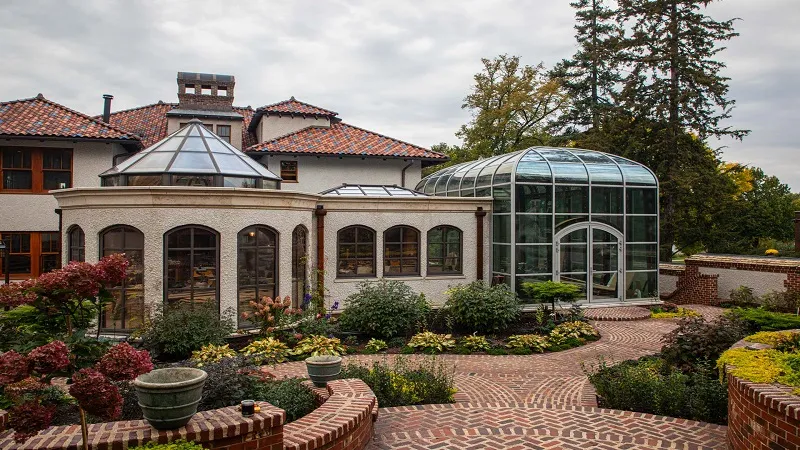
A conservatory can be a valuable addition to your home, creating a bright, versatile space that connects your indoor living areas with the garden. Whether you want somewhere to relax, an additional dining area or a place to enjoy natural light throughout the year, a well-designed conservatory can offer several practical benefits.
However, there are plenty of misconceptions about conservatories, from how much they cost to build to whether they add value to a property. Before investing in one, it is worth understanding the different designs available, the planning and building regulations that may apply, and the factors that influence energy efficiency and long-term maintenance.
This guide explores the most common conservatory myths and explains what homeowners should consider before adding one to their property.
Myth 1: All Conservatories Look the Same
One common misconception is that conservatories follow a standard design, usually featuring white uPVC frames and a glass roof. While this remains a popular style, modern conservatories are available in a much wider range of designs and materials.
The reality: Conservatories can be tailored to complement different property styles, from traditional period homes to contemporary houses.
Popular designs include:
Victorian conservatories: Recognisable by their angled sides, ornate detailing and multi-faceted appearance, these suit many traditional properties.
Edwardian conservatories: Usually rectangular or square, these offer a practical layout with plenty of usable floor space.
Lean-to conservatories: Featuring a simple sloping roof, these can work particularly well where space is limited.
Gable-end conservatories: Characterised by a high, triangular front, these create a spacious feel and allow plenty of natural light.
P-shaped conservatories: Combining different design elements, these can provide separate areas for dining and relaxation.
Materials also influence the overall appearance. uPVC is often chosen for its relatively low maintenance requirements, while aluminium offers slim frames and a contemporary finish. Timber can provide a traditional aesthetic but generally requires more maintenance.
The best option depends on your budget, available garden space and the architectural character of your home.
Myth 2: Conservatories Are Only Useful in Summer
Many homeowners associate conservatories with warm weather because older designs can become uncomfortably hot in summer and cold during winter.
The reality: A well-designed conservatory can be used throughout the year, provided its glazing, insulation, ventilation and heating are suitable.
Modern glazing options, including double or triple glazing where appropriate, can help improve thermal performance. Solar-control glass can reduce excessive heat gain, while suitable blinds or external shading can help manage sunlight.
Roof design is equally important. Older polycarbonate roofs may provide limited insulation, whereas modern insulated or high-performance glazed roofs can improve comfort when correctly specified and installed.
Ventilation should not be overlooked. Opening windows, roof vents and suitable shading can help reduce overheating during warmer months.
Heating also requires careful consideration. Depending on the design and intended use, options may include electric radiators or other suitable heating systems.
However, not every conservatory will perform like a conventional extension. Before committing to a design, discuss thermal performance with a reputable installer and consider how the space will be used throughout the year.
Myth 3: You Always Need Planning Permission for a Conservatory
Planning permission is often viewed as a major obstacle to building a conservatory, leading some homeowners to assume the project will involve a lengthy application process.
The reality: Many conservatories can be built under permitted development rights, meaning a formal planning application may not be necessary. However, this depends on the property’s location, dimensions and existing alterations.
For example, permitted development rules can restrict how far an extension projects beyond the original rear wall, how close it can come to a boundary and how much of the land around the original house can be covered by extensions or other buildings.
Additional restrictions may apply to listed buildings, properties in conservation areas and homes where permitted development rights have been removed.
Building Regulations are a separate consideration. Some conservatories may be exempt if they meet specific conditions, such as being at ground level, having a floor area of no more than 30 square metres and being separated from the house by suitable external-quality doors or walls. Other requirements concerning glazing, heating and electrical work may still apply.
If you want to remove the doors between your home and conservatory or integrate the space more closely with your existing living areas, the regulatory position may change.
Always check the requirements with your local planning authority and building control service before starting work.
Myth 4: A Conservatory Will Automatically Increase Your Property’s Value
Adding extra space may appear to be an easy way to increase your home’s market value. However, the financial return is not always guaranteed.
The reality: A conservatory can make a property more attractive to prospective buyers, but its impact on value depends on several factors.
A well-proportioned conservatory that complements the house, offers useful living space and provides comfortable year-round conditions may improve its appeal. Buyers may appreciate the additional dining area, garden views or flexible space for hobbies and relaxation.
On the other hand, a poorly maintained conservatory with inadequate insulation, excessive heat gain or signs of damp could put buyers off. An oversized structure that takes up too much garden space may also reduce the property’s overall appeal.
The quality of the installation, the layout of the existing home and local buyer expectations all influence how the addition is perceived.
If you are considering selling in the future, it is worth discussing the potential benefits with local property professionals before investing. Homeowners consulting estate agents in Sidcup, for example, may benefit from understanding what buyers in their local market value most, including practical living space, energy efficiency and garden usability.
Remember that construction costs do not necessarily translate into an equivalent increase in sale price. Consider the value the conservatory will provide to you while you live in the property, rather than relying solely on a future financial return.
Myth 5: Conservatories Are Expensive to Maintain
Another concern is that conservatories require constant cleaning, repairs and expensive upkeep.
The reality: Maintenance requirements vary depending on the materials used, the quality of the installation and the age of the structure.
uPVC frames generally require routine cleaning with suitable products, while aluminium frames are also relatively straightforward to maintain. Timber frames may need periodic painting, staining or protective treatment to prevent deterioration.
Roof panels and glazing should be inspected periodically for damage, leaks and failed seals. Gutters and drainage channels also need to be kept clear to prevent water from overflowing or accumulating around the structure.
Pay attention to condensation, damp patches and changes in the condition of seals. Addressing small problems early can help prevent more extensive repairs later.
It is also important to follow the manufacturer’s guidance when cleaning glass, frames and roof materials. Abrasive products or unsuitable chemicals may damage surfaces.
Choosing durable materials and using an experienced installer can help reduce maintenance demands over the longer term.
Myth 6: A Conservatory Is Just an Extra Room for Storage
Some homeowners see conservatories as secondary spaces that are useful mainly for storing garden furniture, laundry or household items.
The reality: A conservatory can serve several purposes when its layout and design reflect your household’s needs.
Depending on its size, it could become a dining area, a reading room, a home office or a comfortable place to relax. It can also provide a transition between the main living areas and the garden.
Before deciding on a layout, consider how furniture will fit, where electrical sockets are needed and how people will move through the space. Flooring should be suitable for the intended use, while lighting and shading can improve comfort and usability.
If you plan to use the conservatory as a home office, for example, you may need reliable temperature control, appropriate lighting and enough space for a desk. For a dining area, easy access to the kitchen may be more important.
A clear purpose from the outset will help you create a space that adds genuine everyday value rather than becoming an underused part of the house.
How to Plan a Conservatory Project
Before starting construction, establish a realistic budget that includes design, materials, installation, groundwork, flooring, heating, lighting and any necessary professional fees.
Check whether planning permission or Building Regulations approval is required, and obtain written quotations from suitably qualified installers. Compare specifications carefully rather than choosing a contractor on price alone.
It is also worth considering how the conservatory will affect natural light in adjoining rooms, privacy, garden access and the overall appearance of your home.
Finally, think about your long-term plans. If you expect to sell soon, prioritise features that are practical, well finished and likely to appeal to a broad range of buyers.
Conclusion
A conservatory can be a practical and attractive addition to your home, offering extra space, natural light and a closer connection to the garden. However, the best results depend on thoughtful design, appropriate materials, good thermal performance and an understanding of the relevant planning and building requirements.
By looking beyond common myths, homeowners can make more informed decisions about the cost, maintenance and potential benefits of a conservatory. Whether you want a comfortable year-round living area or a bright space for relaxing, careful planning will help ensure the finished addition suits your property and lifestyle.