
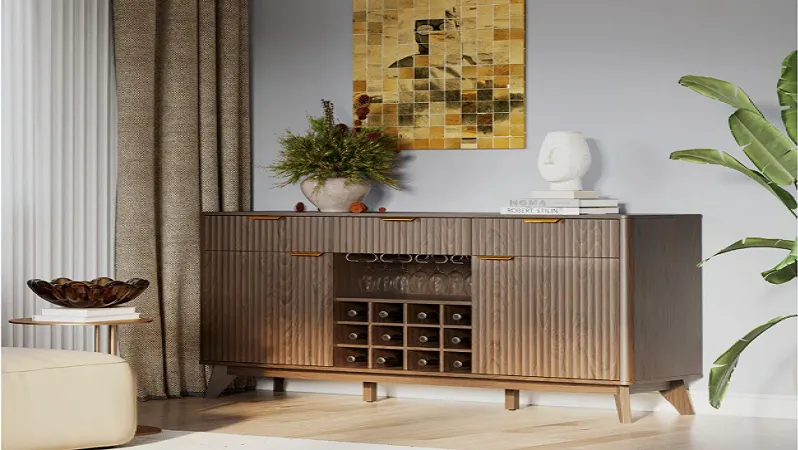
A good lounge corner does more than fill an empty space. It gives your home a natural gathering point where conversations feel easy, drinks are within reach, and guests feel comfortable without the room becoming crowded. This is why creative home bars have become such a useful idea in modern home improvement. They are not only for large houses or luxury apartments. Even a small corner, hallway nook, or open-plan living area can become a polished entertaining zone with the right furniture, lighting, and layout.
Today’s urban social spaces are often compact, so every design decision matters. The goal is not to build a full bar inside your home. The smarter approach is to create a lounge corner that supports interior hosting while still fitting naturally into your everyday lifestyle.
Why Lounge Corners Matter in Modern Homes
Home entertaining has changed. People are no longer designing formal rooms that are used only a few times a year. Instead, they want flexible areas that work for casual evenings, weekend dinners, family visits, and quiet solo moments.
A well-designed lounge corner adds structure and purpose to your living space. It tells guests where to gather without needing signs or instructions. It can sit beside a sofa, near a dining area, close to a balcony door, or even along a blank wall that previously had no purpose.
Creative home bars are especially effective because they combine function with atmosphere. A small cabinet, console, shelf, or drinks station can instantly make a room feel more intentional. It doesn’t need to be bold or extravagant. In fact, the best setups often feel relaxed, mature, and quietly stylish.
For urban social spaces, this matters even more. Apartments and townhomes usually need furniture that can serve more than one role. A bar corner can store glassware, display décor, hold serving trays, and act as a conversation starter without taking over the room.
Planning Creative Home Bars Without Overcrowding the Room
The biggest mistake many homeowners make is treating a lounge corner like a separate room. It should feel connected to the rest of your living area, not forced into it.
Start by looking at your traffic flow. Guests should be able to move around the corner without bumping into furniture. If the area is too tight, choose vertical storage or wall-mounted shelving instead of wide cabinets. If you have more space, a cabinet or console can create a stronger visual anchor.
A balanced lounge corner usually includes:
- A storage piece for bottles, glasses, or serving tools
- A surface for pouring or arranging drinks
- Soft lighting for mood
- Comfortable nearby seating
- A few personal details, such as artwork or plants
This is where minimalist entertaining furniture becomes useful. It keeps the area clean and easy to maintain while still giving you the function you need. Instead of filling the corner with too many items, focus on pieces that look good and work hard.
For example, modern wine cabinets can help organize bottles and glassware while adding a refined design element to the room. The key is to choose a style that matches your home rather than making the cabinet feel like a random addition.
Choosing the Right Furniture for Interior Hosting
Interior hosting is about comfort, timing, and flow. Your furniture should support those things quietly in the background. Guests should not have to ask where to place a glass or where to sit. A well-planned layout answers those questions naturally.
Use Console Tables as Flexible Anchors
Console tables are one of the easiest ways to create a polished lounge corner. They are slim, practical, and suitable for small spaces. You can place one behind a sofa, against a wall, or near the entrance to your living room.
A console table can hold a small drinks tray, candles, a vase, snacks, or a few decorative pieces. It gives the room a hosting surface without the bulk of a large cabinet. For homes where space is limited, architectural console tables can add structure and visual interest while still keeping the layout open.
This is why minimalist entertaining furniture works so well. It gives you enough function without making the room feel heavy.
Think About Seating Before Storage
Many people start by buying storage first, but seating often matters more. If your guests do not feel comfortable, the best-looking bar corner will not be used.
Place your lounge corner near seating that encourages conversation. A sofa with two accent chairs works well. In smaller rooms, even one lounge chair and a side table can create a cozy setup. The idea is to make the bar area feel close enough to be useful but not so close that people feel boxed in.
In urban social spaces, small spacing decisions can change the entire feeling of the room. Leave enough space between seating and the serving area so guests can move naturally.
Lighting: The Detail That Changes Everything
Lighting is one of the simplest ways to make creative home bars feel warm and inviting. Bright ceiling lights can make a room feel too exposed, especially during evening gatherings. Layered lighting creates a softer effect.
Consider using:
- A small table lamp on a console
- Warm LED strips inside shelving
- Wall sconces beside the bar corner
- Candle-style lighting for relaxed dinners
- A dimmable floor lamp near the seating area
The goal is to create a glow, not a spotlight. When lighting is too strong, the lounge corner can feel like a display area. When it is too weak, it becomes hard to use. A warm middle ground works best for interior hosting because it supports both mood and practicality.
Styling the Bar Corner With Personality
A lounge corner should not look like a furniture showroom. It should feel like it belongs to the people who live there. Personal styling makes the space memorable.
You can add framed prints, ceramic bowls, books, plants, or travel pieces. If you enjoy wine, display a few favorite bottles. If you prefer coffee, mocktails, or tea, the same corner can still work beautifully. Home entertaining does not have to center on alcohol. It is really about creating a place where people feel welcome.
Minimalist entertaining furniture gives you a clean base, but personality brings the space to life. Keep the surface edited, though. Too many objects can make the corner feel cluttered and harder to use.
A simple rule works well: keep one-third of the surface functional, one-third decorative, and one-third open. That open space is important because guests need room to place glasses, plates, phones, or serving items.
Designing Urban Social Spaces for Small Homes
Small homes need smart design, not smaller dreams. Urban social spaces can still feel stylish and generous when the layout is planned carefully.
If your living room is compact, use vertical height. Floating shelves, tall cabinets, and slim consoles can create storage without taking up too much floor space. Mirrors can also help reflect light and make the area feel more open.
Choose furniture with clean lines and raised legs when possible. These pieces allow more visible floor area, which makes the room feel lighter. Avoid oversized bar carts or bulky storage units unless the room can handle them.
For renters, temporary solutions work well. A freestanding cabinet, narrow console, or movable cart can create the feeling of creative home bars without permanent installation. This keeps the design flexible and easy to update later.
Practical Hosting Tips for a Better Guest Experience
A beautiful lounge corner should also work in real life. Before guests arrive, set up the area so people can help themselves easily. This prevents you from running back and forth all evening.
Keep these basics ready:
- Clean glasses
- Napkins or coasters
- A small tray
- Bottle opener or serving tools
- Water or non-alcoholic options
- Light snacks
- A small trash bowl for wrappers or stirrers
Interior hosting becomes easier when the space is prepared before the first guest walks in. It also makes the evening feel more relaxed. You are not just decorating; you are designing a smoother experience.
Common Mistakes to Avoid
Even stylish lounge corners can fall flat if they are not practical. Avoid placing the bar area too far from seating. Guests are less likely to use it if it feels disconnected from the conversation.
Another mistake is overdecorating. A bar corner needs breathing room. Too many bottles, signs, lights, and accessories can make it look busy. Choose fewer pieces with better purpose.
Also avoid ignoring scale. A large cabinet in a narrow room can make the entire space feel smaller. On the other hand, a tiny table on a large empty wall may look unfinished. Match the size of your furniture to the size of the room.
The best creative home bars feel balanced. They are useful, attractive, and easy to live with.
Conclusion
A lounge corner is one of the most practical upgrades you can make for home entertaining. It does not require a major renovation or a large budget. With the right layout, lighting, and furniture, even a simple corner can become a natural gathering point. Creative home bars work best when they feel connected to your daily life rather than saved only for special occasions.
For urban social spaces, the key is balance. Choose minimalist entertaining furniture, keep the layout open, and design around real movement. Good interior hosting is not about impressing guests with excess. It is about making them feel comfortable, welcomed, and naturally included in the space you have created.
FAQs
1. How much space do I need for a lounge corner?
You do not need a large room. A blank wall, unused corner, or narrow area behind a sofa can work well. The most important thing is clear movement around the furniture.
2. Are creative home bars only for wine or cocktails?
No. Creative home bars can also be used for coffee, tea, mocktails, snacks, or general serving. The idea is to create a stylish and useful hosting station.
3. What furniture works best for small urban social spaces?
Slim consoles, vertical cabinets, floating shelves, and compact storage pieces work best. Minimalist entertaining furniture is ideal because it keeps the room functional without adding visual clutter.
4. How can I make interior hosting feel easier?
Prepare the lounge corner before guests arrive. Set out glasses, napkins, drinks, snacks, and basic tools so people can serve themselves comfortably.
5. What is the best lighting for a home lounge corner?
Warm, layered lighting works best. Use table lamps, sconces, or soft LED lighting instead of relying only on bright ceiling lights.